By Kofi Quaye
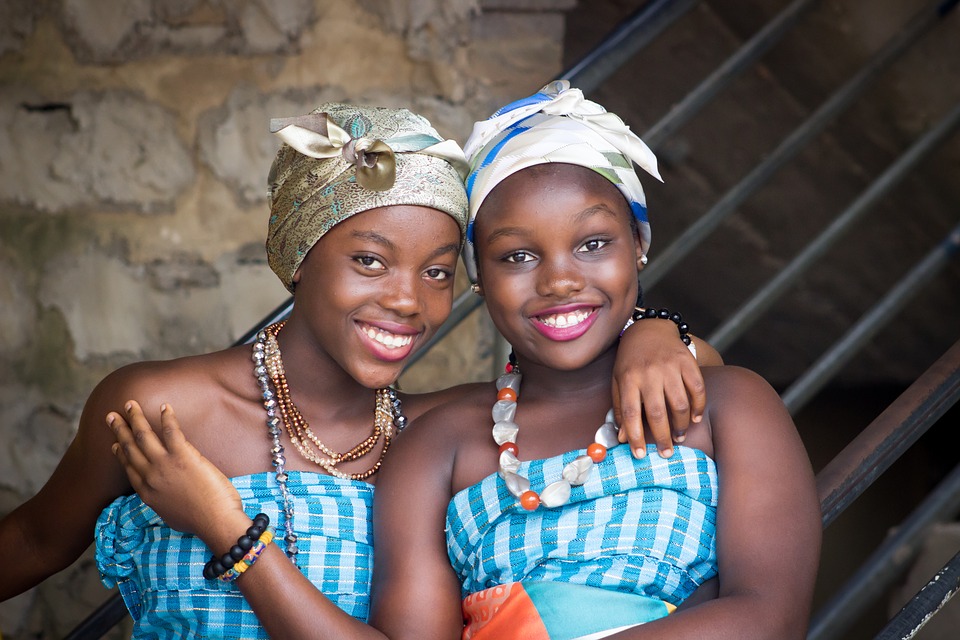
Lately, my interest has focused on an emerging cultural phenomenon; African-Americans with names that may sound strange or exotic to others.
It is most evident on FACEBOOK. Many African-Americans, both male and female, identify themselves by such names as Nubian Queen, Akua Gray, Akosua Sellassie, Empress Rah, Shayla El. Anyone familiar with African names will recognize Akua and Akosua as popular names for females in the Akan tribe in Ghana. In the Akan tradition, most females born on Wednesdays are given the name, Akua, at birth. Akosua is for those born on Sundays.
Other names such as Queenrigheouslyrefitned, Earthly Expressions and Nubian Queen are combinations of words that create names with implied meanings. They are basically self-explanatory and can be easily broken down in terms of what they mean. Iya Fasade and Ayo Walidele sound Nigerian, while Empress Rah suggests a royal link to Ethiopia.
Names no longer simply provide an individual with an identity, according to them. They describe their names as an attribute, not ‘just a name’ And that is precisely how most African cultures approach the naming process.
In Ghana, my country of birth, it is a long standing tradition to give predetermined names to the newly born based on the day, time and sometimes the circumstances surrounding their birth. And each day is assumed to have its own distinct attributes that the individual acquires as a result of being born on that particular day. As a result, most Ghanaians, even when they meet for the first time, have the unique ability of knowing some pertinent facts about each other in terms of the day on which they were born, the tribe and the region of the country they belong to, and quite often, their temperament and how they would react to certain situations.
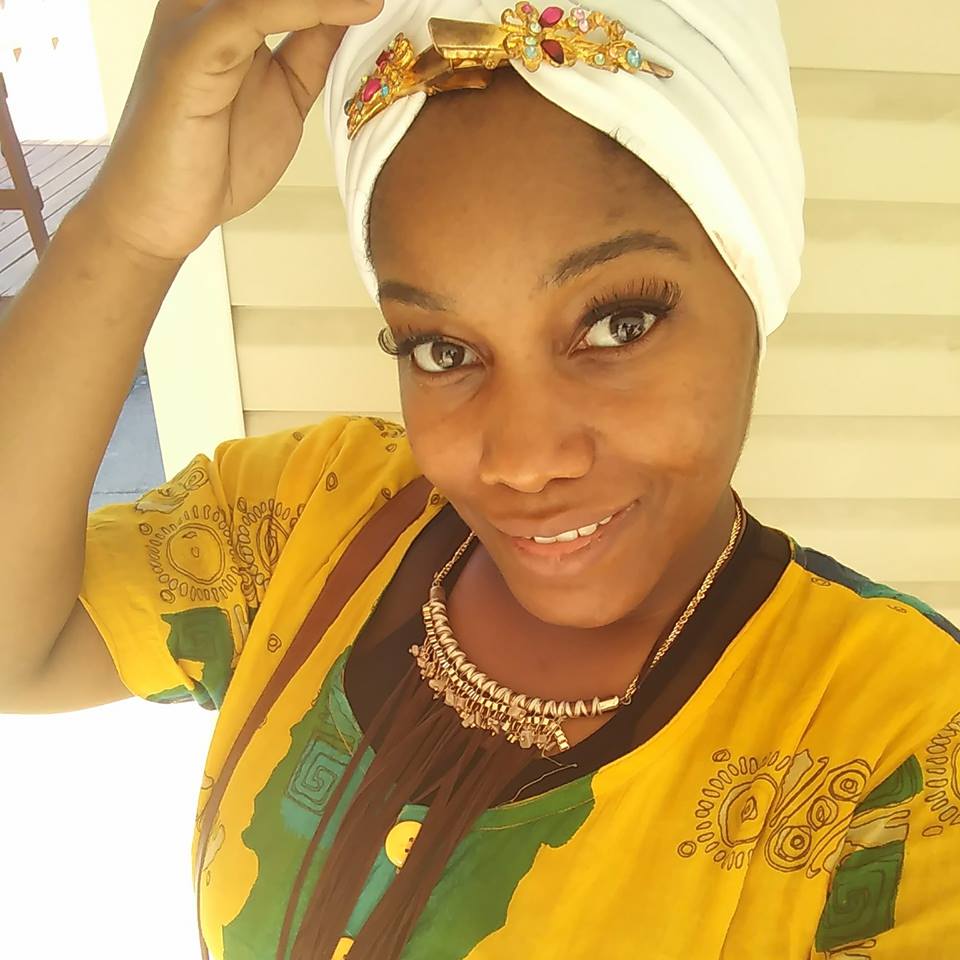
The trend on social media these days appears to indicate that the same thing is happening in African-American communities in America. Many seem to take pride in assuming or having names that embody concepts and ideals; at the same time, they also implicitly state their religion, culture and politics. As far as they are concerned, they are getting rid of slave names that were arbitrarily given to their ancestors from Africa as part of the process of destroying their tribal identities.
Many have not set foot in Africa, yet they appear to take pride in having names that suggest they have decided to make a conscious attempt to identify and connect with African cultures. And most of the things they say and do reflect a conscious effort to live a lifestyle which Western culture would describe as holistic, spiritual, or close to nature.
They talk about cleansing their bodies, minds and souls by changing their lifestyles and eating habits. According to them, most of the regular food items from grocery stores, particularly canned items, do more harm than good; they lack the proper nutrients. They prefer to engage in farming with the aim of feeding themselves with their own home grown organic produce. It’s all about staying away from mass manufactured, consumeristic foods that don’t really do what they are supposed to do. They say their approach is a more realistic way to build healthy bodies, minds and souls
Females appear to be playing a leading role in what’s going on. Many are on Facebook, proudly flaunting their newly assumed names, making and posting sentiments that project them as strong, independent-minded, and unafraid to take a stand in defense of their beliefs and actions. They are bold, empowered, and beautiful, all at once, with an African, holistic flava,
Most importantly, they have succeeded in giving a new dimension to Black Beauty Black and Pride and have ‘Africanized’ them in pretty much the same way it was done with the Afros’ and dashikis in the sixties. As a result of their creativity and ingenuity, African hairstyles, native traditional costumes, even footwear have been glamorized in ways that have had a huge impact in Africa itself and the rest of the world. More power to them.



 VisionAfricaMedia
Leave a comment