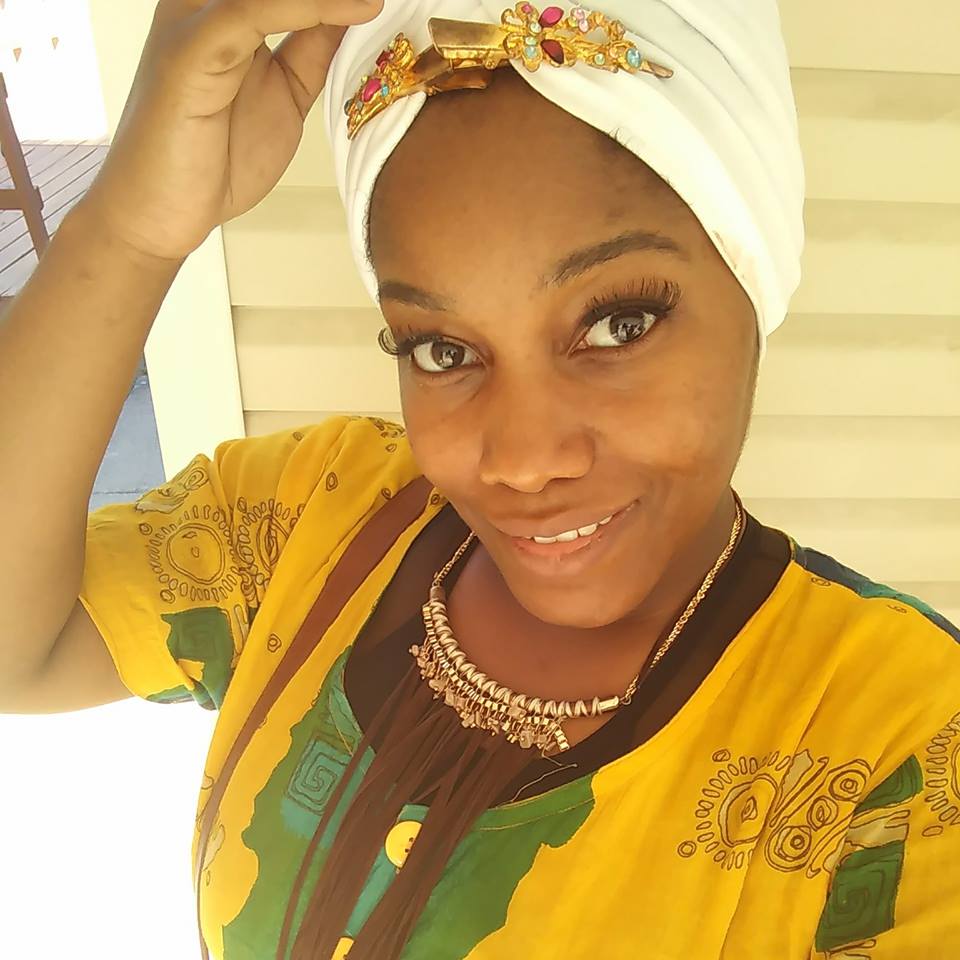
Lately, many African-Americans, male and female, identify themselves on FACEBOOK by such names as Nubian Queen, Nana Yaa Saafir-Ankoma, Yaaris Bey, El Aya Saana Bey, Akua Gray, Queenrighteouslyrefined, Akosua Sellassie, Afia Khalia Tweneboa-Kodua, Judah King, Queen Judah, Empress Rah, Empress Zana, Shayla El. To the untutored, they are exotic names, whilst to those who proudly bear those names, it is the ultimate act of reinvention of self and socio-cultural liberation.
Many are combinations of words that create names with implied meanings. Nubian Queen, Ebony Nubia, Africa Love and Earthly Expressions are self-explanatory and can be easily broken down. Others like Iya Fasade,Oya Amakisi and Ayo Walidele sound Nigerian. Akua and Akosua are popular names for females in the Akan tribe in Ghana. The Akan tribe which consists of the Fantis, Ashantis, the Akwapims, the Twis and others give most females born on Wednesdays the name, Akua or Ekua, at birth. Akosua is for those born on Sundays. Other names like Ras Idah, Asar El Ra, Naim Muhammad, Usir Re El, have an Ethiopian or Nubian flava, and definitely un-American.
They describe their names as an attribute, not ‘just a name’. Choosing a name that has a unique meaning reflects a popular, widespread and ancient African tradition that makes it possible to give predetermined names to the newly born based on the day, time, and sometimes the circumstances surrounding their birth. In most African cultures, each day has its own distinct attributes that the individual acquires as a result of being born on that particular day.
The trend on social media these days appears to indicate that a similar approach to the concept is happening in certain segments of the African-American communities in America. Regular American names are being replaced with others that represent concepts and ideals that relate to them in terms of what they mean and how they interpret them. It is one way of stating their religion, culture and politics.
They refer to themselves as melaneated, suggesting that dark pigmentation is not a genetic defect that creates a different and sub human species, but rather the lack of melanin in other races that makes them who they are and different from black people..
Question that comes to mind is: does a non-American sounding name play any significant role in being a “conscious” person?
Let’s start with the premise that the conscious people are those who have made the decision to lead a holistic lifestyle that is seen to be different from the norm in terms of what and how to eat and drink, how to relate to and understand nature and other phenomena that impact us in our daily lives. It’s a lifestyle that places emphasis on developing the person’s ability to exist in harmony with nature and the universe. The main goal is to raise the consciousness to a level that enables one to develop a deeper insight into life based on knowledge of self and the world around us.
They talk about cleansing their bodies, minds and souls by changing their lifestyles and dietary habits. According to them, most of the regular food items from grocery stores do more harm than good. particularly canned foods. Canned foods are described as lacking the proper nutrients. They prefer to engage in farming with the aim of feeding themselves with their own home grown organic produce.
It’s all about healthy minds and bodies and staying away from mass manufactured, consumeristic foods that
Most importantly, to me as an African, they have succeeded in giving a new dimension to the concept of Black Beauty by making it Afrocentric in ways that speak to their creativity. In effect, they have ‘Africanized’ it in pretty much the same mode that was done in the sixties with the ‘Afros’ and dashikis.
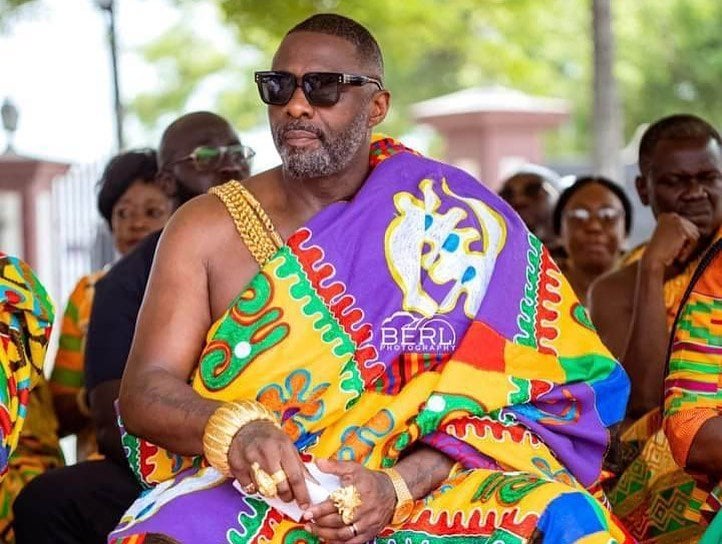
They have glamorized African hairstyles, native traditional costumes, even footwear to a degree where they have become mainstream.
Many have not set foot in Africa, yet they take pride in taking names that show a serious and conscious attempt to identify and connect with African cultures. Others make the journey all the way to Africa to experience the reconnection with Africa and Africans in an up close and personal manner.
It’s all good, regardless. We have found a way to reclaim our heritage in ways that no one can control. More power to them.



 VisionAfricaMedia
Leave a comment