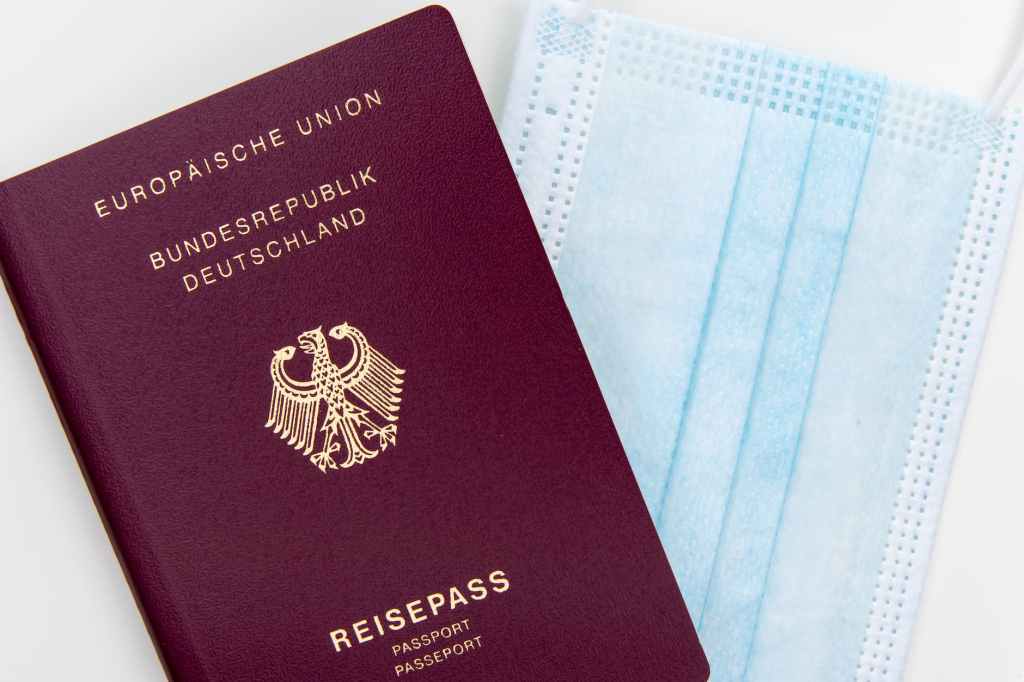
In today’s globalized world, the Schengen visa has become a critical pass for travelers seeking to explore Europe. Covering 27 European nations, it allows entry into countries like France, Germany, Spain, Italy, and many others under one uniform visa policy. For those with the means and the right documentation, this visa promises easy access to the rich cultural, historical, and economic opportunities that Europe offers. However, for many Africans, the Schengen visa presents significant hurdles, often culminating in rejection.
What is the Schengen Visa?
The Schengen visa is a short-term visa that allows travelers to move freely within the Schengen Area for up to 90 days within a 180-day period. It was created as part of the 1985 Schengen Agreement, which abolished border controls between participating European countries. It is ideal for tourists, business travelers, and even those seeking medical treatment in Europe. However, this uniformity comes with strict requirements and procedures, which often pose significant challenges for applicants from African countries.
Why Africans Face High Rejection Rates
According to multiple reports, African applicants are disproportionately rejected when applying for Schengen visas. In 2022 alone, rejection rates for some African countries were as high as 50%, compared to much lower rates for other regions. The reasons for these high rejection rates are complex, involving factors ranging from economic disparities to perceived migration risks.
One of the most cited reasons for rejection is insufficient proof of financial means. Applicants are required to demonstrate that they can cover their stay in Europe, which includes providing bank statements, proof of accommodation, and return flight tickets. In countries where average incomes are significantly lower, fulfilling these financial criteria can be particularly challenging.
Another issue is the perception of “overstay risk.” European embassies often assess whether the applicant is likely to return to their home country after the visa expires. For many African applicants, this becomes a critical stumbling block as visa officers scrutinize their socio-economic ties to their home country, including employment, property ownership, and family obligations.
A Barrier to African Economic and Cultural Exchange
For Africans, especially those seeking to attend conferences, pursue business deals, or foster cultural exchange, the high rejection rates of Schengen visa applications pose a significant obstacle. African artists, scholars, and businesspeople often find themselves excluded from opportunities in Europe due to stringent visa conditions. This not only hinders personal growth but also negatively affects the economic and cultural exchange between Africa and Europe.
A Nigerian businessman, for instance, shared his frustration over a rejected visa application, despite having received an invitation to a high-profile European business conference. “They said I didn’t have enough ties to Nigeria. I have a thriving business, a family, and property here. What more proof do they need?”. His words highlight the challenges faced even by well-established applicants.
Policy Reforms and Hope for Change
There have been calls for policy reforms to make the Schengen visa application process more equitable, especially for African applicants. Organizations such as the African Union have raised concerns about the visa restrictions and have pushed for more transparency and fairness in the decision-making process. In response, some European countries have promised to streamline visa processes, though changes have been slow to materialize.
In the meantime, many Africans must navigate a system fraught with difficulties, applying with caution and detailed documentation in hopes of overcoming the barriers to entry.
Conclusion: A Visa System in Need of Balance
The Schengen visa remains a powerful tool for fostering global mobility, but for many Africans, it symbolizes a daunting barrier. High rejection rates not only reflect the broader inequalities between Africa and Europe but also limit the potential for economic and cultural cooperation. As Europe grapples with its immigration policies, finding a balance between security concerns and fairness is essential if the Schengen visa is to serve its original purpose of promoting mobility and understanding across borders.







 VisionAfricaMedia
Leave a comment