By Kofi Quaye
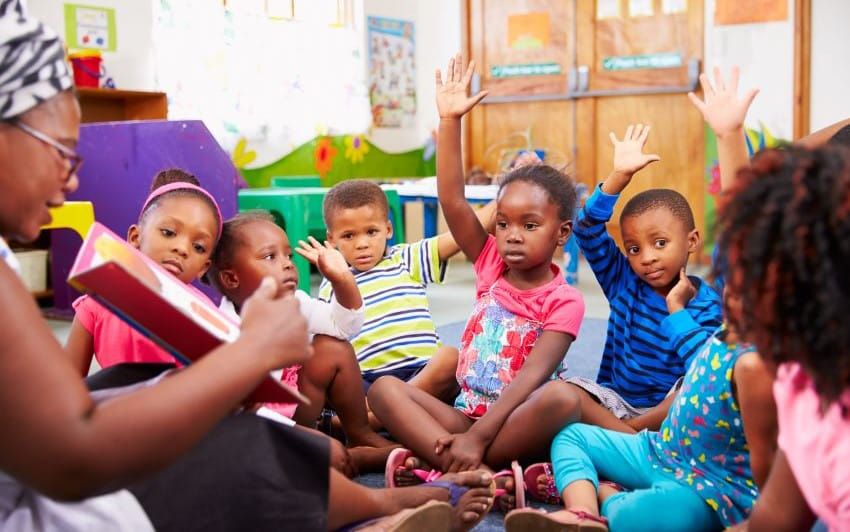
At just three years old, Raymond is a typical toddler: energetic, curious, and prone to tears when things don’t go his way. Yet, something about Raymond sets him apart. He speaks English fluently and enthusiastically, for a three year old, chatting with anyone who will listen. He prefers English even when interacting with his father, a mechanic who grew up speaking Twi. His father, though not entirely comfortable conversing in what he still sees as a foreign language, encourages his son to practice. After all, Raymond is only doing what he’s been taught in kindergarten—using English both at school and at home.
Not long ago, such interactions would have been rare in Ghana. It was not common to hear young children speaking English with their parents, especially in low-income households. Back then, English conversations at home were the preserve of the elite—wealthy families whose children attended international schools or lived abroad. Speaking English at home was seen as a status symbol, a reflection of sophistication and privilege. But times have changed. Today, it’s increasingly common to see children like Raymond, from modest backgrounds, conversing confidently in English, sometimes with parents who know little or no English.
A Paradigm Shift in Ghana’s Educational Landscape
This transformation can be traced back to a shift in Ghana’s education system, driven by population growth and urbanization over the past few decades. As cities swelled and public schools struggled to keep pace, private individuals and organizations stepped in to fill the gap. Somewhat affordable and more efficient, private schools, especially at the kindergarten level, rapidly increased, especially in urban areas.

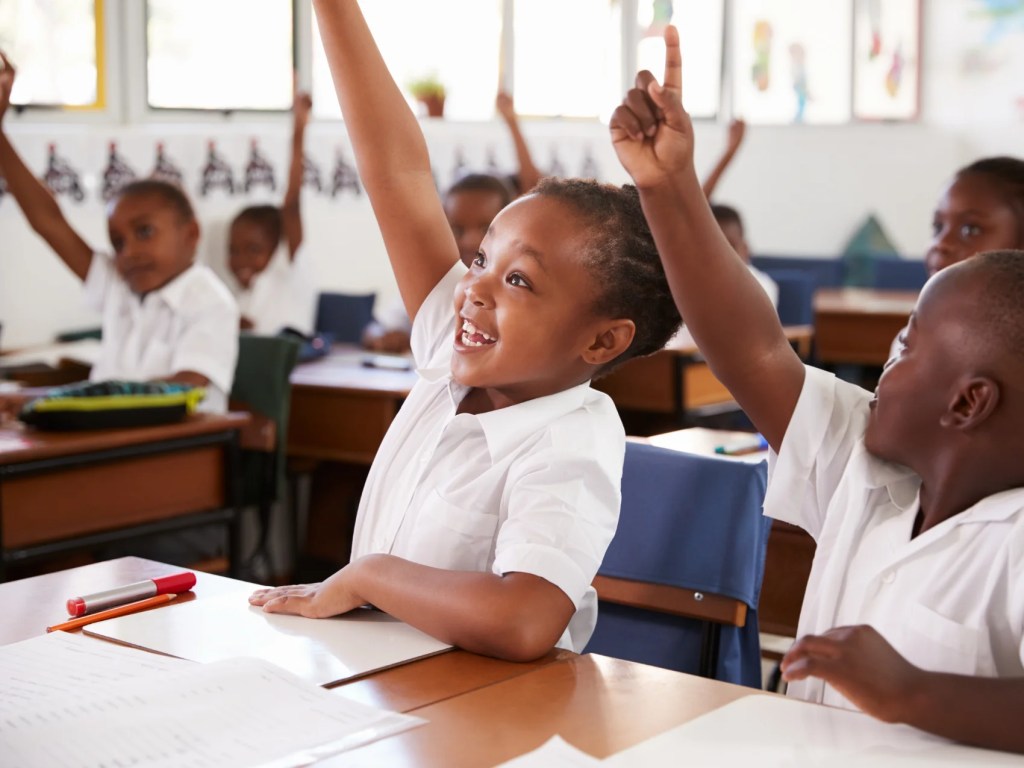
These private schools introduced a curriculum heavily focused on learning to read, write, and speak the English language, a reflection of English’s status as Ghana’s official language and a gateway to global opportunities. Kindergarten teachers encouraged children to speak English not just in the classroom but also at home, turning parents into unwitting participants in this linguistic revolution. The result? A generation of children who are more comfortable speaking and writing English than their parent’s native languages.
Nyanyano-Kasoa Area Is a Prime Example of the Effects of the Kindergarten Experience.
The Kasoa-Nyanyano area presents a perfect example of this socio-cultural phenomenon. Not long ago, both were small villages of mostly mud houses and thatched roofs. Nyanyano was a coastal community noted for its fishing industry, while Kasoa served as the market village on the main Accra-to-Cape Coast highway. Within four decades, both villages have been transformed into urbanized communities with an interchange, dual carriageways, hotels, malls, restaurants, shopping centers, banks and other financial entities, as well as social, cultural, and educational institutions.
I lived in the area when I was in my teens, left, and was gone for decades. I have returned, and everything has changed, particularly the attitudes and behaviors of the kids. The kids of today in Nyanyano and Kasoa are totally different. Most of them have had the kindergarten experience of learning how to read, write, and speak English, along with being exposed to modern technologies like smartphones, computers and other modern technological gadgets. My young nieces and nephews, many in their preteen years, seem to be more interested in conversing with me in English and want me to get them smartphones, laptops, and PlayStations so they can play computer-based games.
The Impact of Early English Exposure
While anecdotal evidence suggests that early exposure to English has made children more confident, inquisitive, and tech-savvy, the long-term implications of this trend remain unclear. Ghana lacks comprehensive data on how early English instruction affects academic performance, cultural identity, and social cohesion. However, there are clues in global research. Studies from countries like India and Nigeria, where English is also an official language, suggest that early English instruction can boost literacy and cognitive development but may come at the cost of diminishing proficiency in local languages.
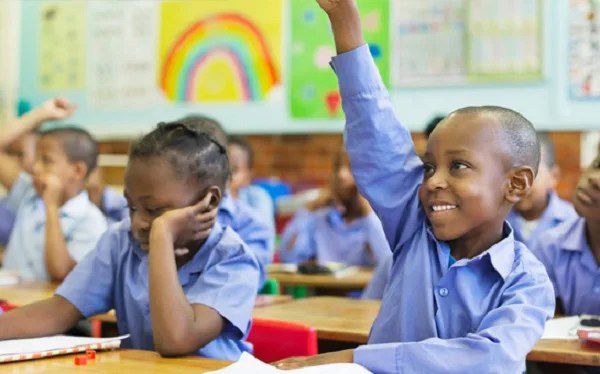
In Ghana, the wider social implications are already visible. Children seem less intimidated by authority figures and more inclined to question the world around them—a departure from traditional norms where respect for elders often meant unquestioning obedience. Many are also more adept at navigating technology, from smartphone games to educational apps, a skill that may serve them well in the digital age.
Cultural Erosion or Progress?
This paradigm shift raises serious questions about cultural preservation. Ghana’s local languages, from Akan to Ewe, have long been a cornerstone of its identity. Yet, as children like Raymond grow up speaking English, these languages risk being sidelined. For families, this creates a dilemma: embrace English as a tool for future success or prioritize native languages as a link to heritage and tradition.
Raymond’s father embodies this tension. While he’s proud of his son’s fluency in English, he worries about the cultural cost. “I want him to succeed, but I don’t want him to forget where he comes from,” he says. His concern echoes across Ghana, where parents grapple with balancing modern aspirations and cultural preservation.
The Road Ahead
The rise of English in Ghana’s kindergartens is undeniably transformative, but its long-term effects remain a question mark. Without robust data, it’s impossible to say whether this trend is positive or negative. What’s clear is that times have changed. Children are entering school more equipped to navigate an English-speaking world, but at what cost to Ghana’s linguistic and cultural heritage and diversity?
Three year old Raymond is unaware of the debates surrounding his early education, and represents both the promise and the peril of this new era. The challenge for Ghana lies in finding a path that harnesses the benefits of English while safeguarding its linguistic heritage for future generations.




 VisionAfricaMedia
Leave a comment