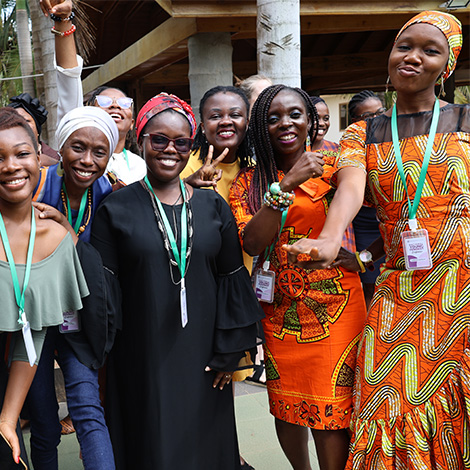
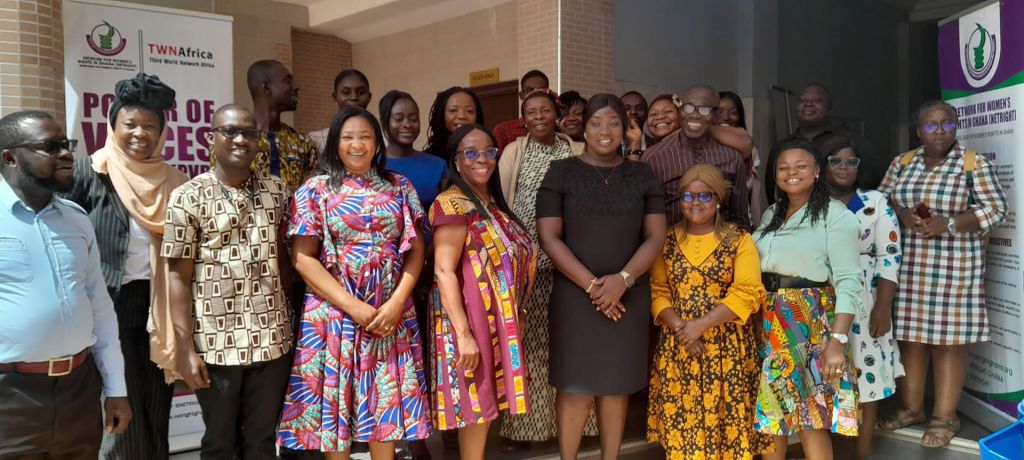
Women’s organizations like NETRIGHT have emerged as a formidable force advocating for gender equality and women empowerment in Ghana.
By Kofi Quaye
On December 7, Ghana made history by electing Prof. Naana Jane Opoku-Agyemang as the first female vice president. Was it a monumental moment? Absolutely: it is one of ťhe most significant milestones in the history of the country. Is it also a sign that Ghanaian women have achieved gender equality? Certainly not, was the response from many to that question.
While her election signifies a breakthrough in Ghanaian politics, a closer look into the realities of women’s representation in other fields—business, finance, music, sports, and beyond—reveals a stark truth: gender inequality continues to impede women’s progress in Ghana.
The Reality of Gender Representation in Ghana
The number of women in Ghana’s parliament tells the story of gender inequality at the highest level of political power. Women made up less than 15 % of MPs, with just 40 female representatives out of 275 in the last parliament. In the private sector, women occupy a mere 27% of management positions. And while women contribute significantly to Ghana’s workforce, they are overwhelmingly represented in low-paying jobs or stereotypically “female” roles, such as caregiving and trading.
Even in politics, where Prof. Opoku-Agyemang has broken barriers, the bigger picture isn’t promising. Women’s representation at the national level appears not to have seen any significant changes in the recent elections. It’s been suggested that the number of women in parliament actually decreased as a result of intraparty maneuverings that ended up creating a number of losses for female candidates. The election of a female vice president, while symbolic, has yet to translate into realistic changes that uplift all Ghanaian women.
Historical Context and the Current Landscape
Historically, Ghanaian women have played important roles in the country’s development, from market women driving local economies to queen mothers whose leadership make significant contributions to society. Yet, their contributions have rarely been recognized or rewarded in a system designed to favor men.
Efforts to address these disparities have been ongoing. Affirmative action policies and gender-sensitive legislation have been introduced but remain poorly enforced.
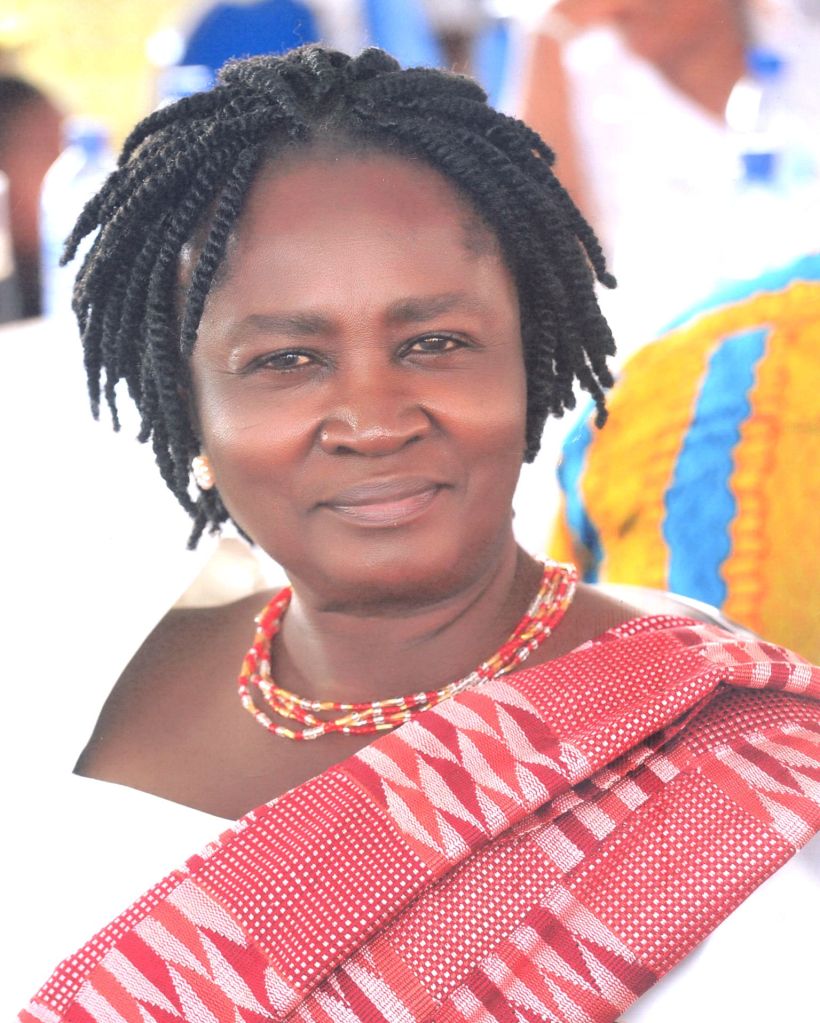
Prof. Naana Jane Opoku-Agyemang is the newly elected first female vice-president of Ghana. Her historic election is both a milestone and a reminder of the work that lies ahead in achieving gender equality and women empowerment in Ghana.
The Barriers Women Face
1. Traditional Gender Roles and Stereotypes
Deeply ingrained sociocultural norms discourage women from pursuing leadership roles or entering male-dominated fields. Women are often steered toward roles that align with traditional gender expectations, as evidenced by a recent viral social media post in which a young Ghanaian woman shared that societal pressure forced her to abandon dreams of becoming an engineer to pursue trading.
2. Limited Access to Resources
Women often lack access to financial resources, networks, and mentorship opportunities, which are critical for starting businesses, running for political office, or advancing in their careers. For instance, only 38% of Ghanaian women have access to formal financial services compared to 52% of men, according to World Bank data.
3. Workplace and Political Harassment
From verbal abuse to physical threats, harassment remains a significant issue for women in Ghana. Female politicians often face attacks on their character rather than their policies, while in the workplace, reports of unchecked harassment deter women from seeking leadership roles.
4. Weak Enforcement of Affirmative Action Policies
Ghana has affirmative action policies on paper, but enforcement has been less than effective. Without accountability mechanisms, these policies fail to create real change in eliminating gender inequality.
Advocacy Efforts and Proposed Solutions
Women’s advocacy groups like NETRIGHT, UN Women Ghana, the National Democratic Institute and others have been vocal about the need for gender equality and women empowerment and continue to advocate for change. They propose bold initiatives, including:
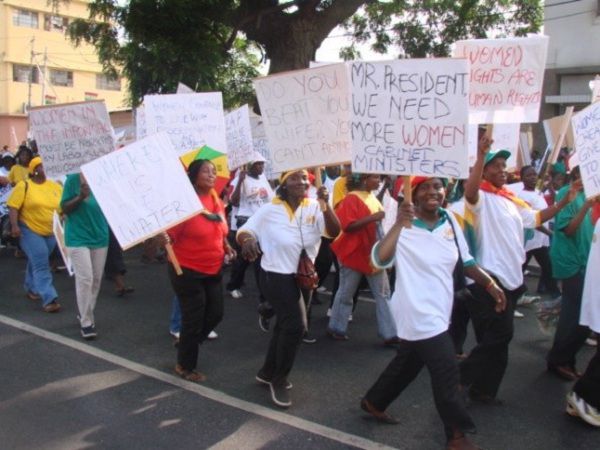
Civil society organizations continue to advocate for gender equality and women empowerment including demands for more women in the cabinet.
Quota Systems: Implementing mandatory quotas for women in parliament and local government to ensure equal representation.
Training Programs: Building leadership, political, and business skills through targeted programs for women.
Mentorship Networks: Connecting aspiring female leaders with mentors who can provide guidance and access to resources. In education, where Ghana has made strides in reducing gender disparities, these achievements often do not translate into equitable representation in the workforce. Many women face limited access to networks, mentorship, and financial resources, all of which are critical for career advancement.
Cultural Transformation: Running education and awareness campaigns to challenge harmful gender stereotypes and promote gender-sensitive attitudes.
Stronger Enforcement of Affirmative Action: Ensuring policies are implemented and women have equal access to opportunities.
The Bigger Picture
As Ghana navigates its journey toward gender parity, Prof. Naana Jane Opoku-Agyemang’s historic election should serve as both a milestone and a reminder of the work that lies ahead.
This isn’t just a women’s issue—it’s national. Gender equality isn’t about symbolic wins or tokenistic appointments; it’s about unlocking the potential of half the population to drive innovation, economic growth, and social progress.
The road to true equality requires collective effort—policy reforms, cultural shifts, and unwavering advocacy. The question is not whether gender equality is achievable in Ghana but whether the nation is prepared to make the bold choices necessary to ensure that every woman can reach her full potential.
Prof. Opoku-Agyemang’s election is undoubtedly a step in the right direction, but it cannot be the only victory for Ghanaian women. To truly empower women, Ghana must dismantle the political, sociocultural, and economic barriers that hold them back.
The question is: Will Ghana rise to the challenge?



 VisionAfricaMedia
Leave a comment