By Kofi Quaye
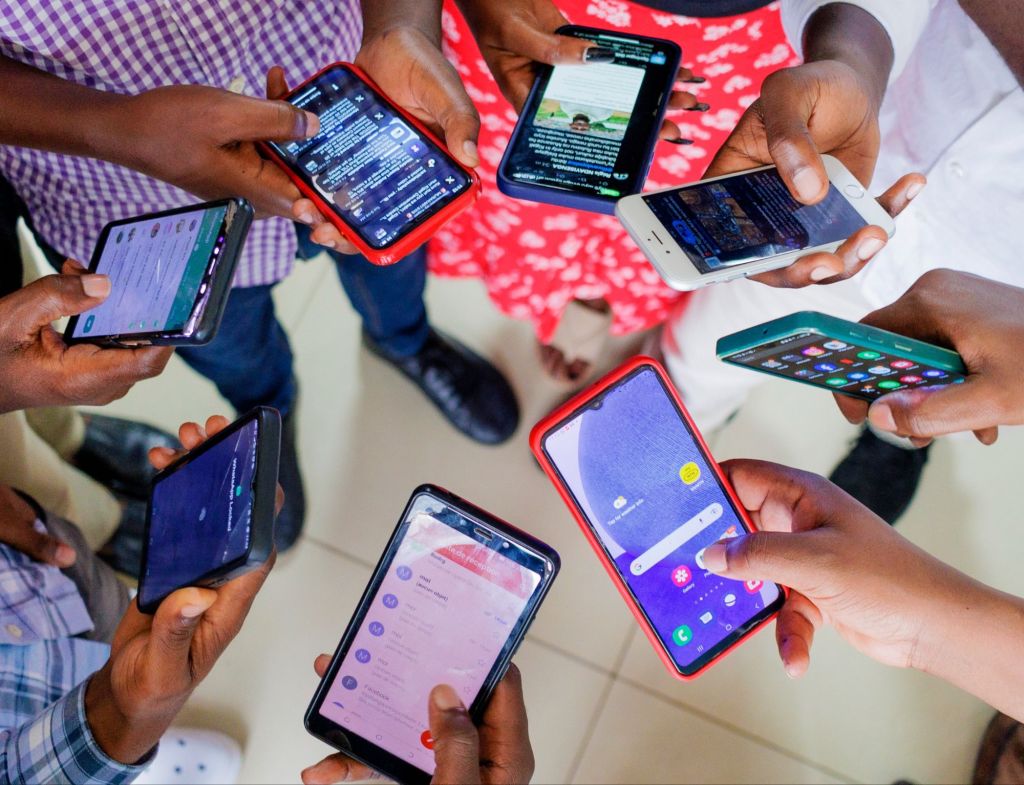
Africa’s tech scene is buzzing, and Ghana is right at the center of the action. From Accra to Lagos, tech businesses and computer centers are sprouting up, driving economic transformation across the continent. Ghana’s version of Silicon Valley—the Accra Digital Centre—has become a center of innovation, startups, incubators, and tech giants like Google AI. This is a major achievement for a country where just a decade ago, high-speed internet was a luxury. Today, Ghana has a flourishing digital economy with a projected growth rate of 6.5% for 2024, according to the World Bank.
Tech-savvy Youth Population, Government Policies and Global Investments
How did it happen? A tech-savvy youth population, ambitious government policies, and investment from global giants. In 2012, Ghana made headlines with the launch of its National Information Technology Agency (NITA), aimed at improving ICT infrastructure. Fast forward to today, and initiatives like the Ghana Innovation Hub are creating a new generation of entrepreneurs, offering training, funding, and workspace to those with big ideas. These efforts have led to groundbreaking startups like mPharma, which is revolutionizing access to medicine in Africa, and Esoko, a digital agriculture platform connecting farmers to markets.

Influx of Capital is Creating Tech Jobs in Nigeria, Kenya, South Africa, Ghana
Ghana’s story is part of a larger continental trend. As of 2023, Africa was home to over 600 active tech hubs, with Nigeria, Kenya, South Africa, and Ghana leading the pack. According to a 2023 report by Partech Africa, African startups raised a record $6.5 billion in funding in 2022, a 25% increase from the previous year. This influx of capital is not just transforming industries—it’s creating jobs. In Ghana alone, the ICT sector employed over 200,000 people by the end of 2023, a number that’s expected to double by 2030.
Problems with Unreliable Electricity, High Data Costs, Limited Capital
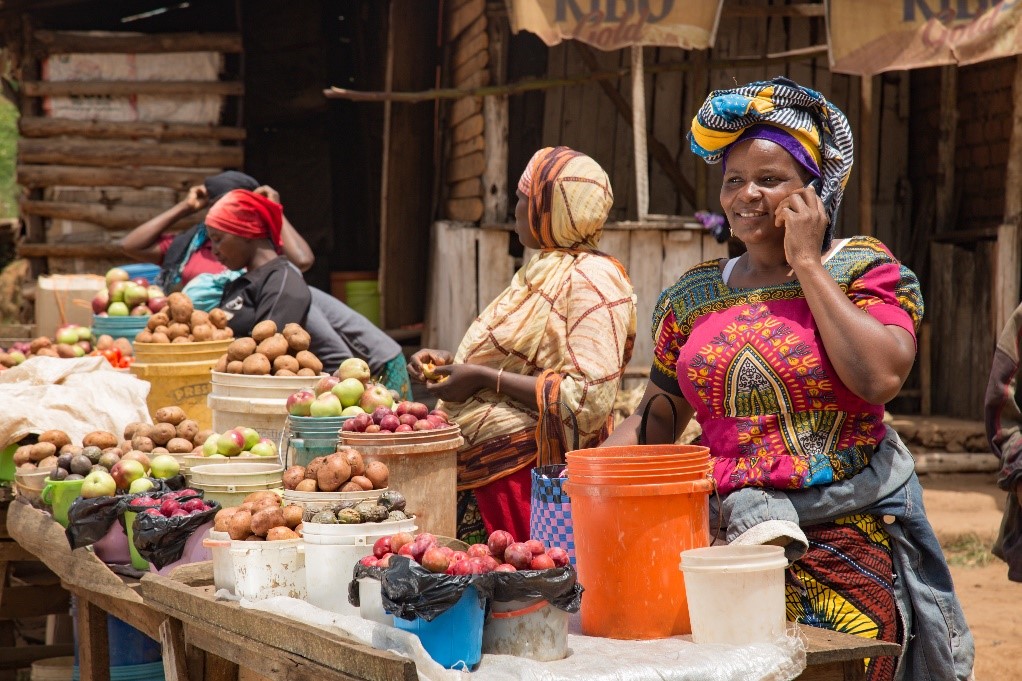
However, challenges remain. Ghana’s tech businesses and computer centers face obstacles like unreliable electricity, high data costs, and limited access to venture capital. But they are not backing down. Solar-powered businesses and mobile money platforms like MTN Mobile Money are tackling these issues head-on, enabling a more inclusive digital economy. Additionally, government initiatives like the Cybersecurity Act of 2020 aim to create a safer digital environment, fostering trust and growth.
New Technology Redefining Education, Healthcare and Agriculture in Africa.
The ripple effects are undeniable. Beyond GDP growth, tech businesses are redefining education, healthcare, and agriculture in Ghana. Take Zipline, for instance. This drone delivery service has made Ghana a global leader in medical logistics, delivering vaccines and emergency supplies to remote areas. It’s a perfect example of how technology can bridge gaps and save lives.

African Countries Are Actively Involved In The Technology Revolution
As Ghana’s tech businesses and computer centers continue to thrive, the message is clear: Africa is no longer waiting for the world to catch up—it’s leading the charge. With a youthful population, bold ideas, and relentless determination, the continent is turning challenges into opportunities, proving that innovation isn’t just about technology—it’s about transforming lives.







 VisionAfricaMedia
Leave a comment