By Kofi Quaye
Nearly half the world’s population—3.6 billion people—went to the polls and posted the slowest growth in female political representation in two decades. A BBC analysis of election data from 46 countries revealed a troubling trend: in nearly two-thirds of these nations, the number of women elected fell. Among the affected countries were the US, India, Portugal, and South Africa. Even the European Parliament, for the first time in its history, saw a decline in female representation.

Ghana wasn’t spared.
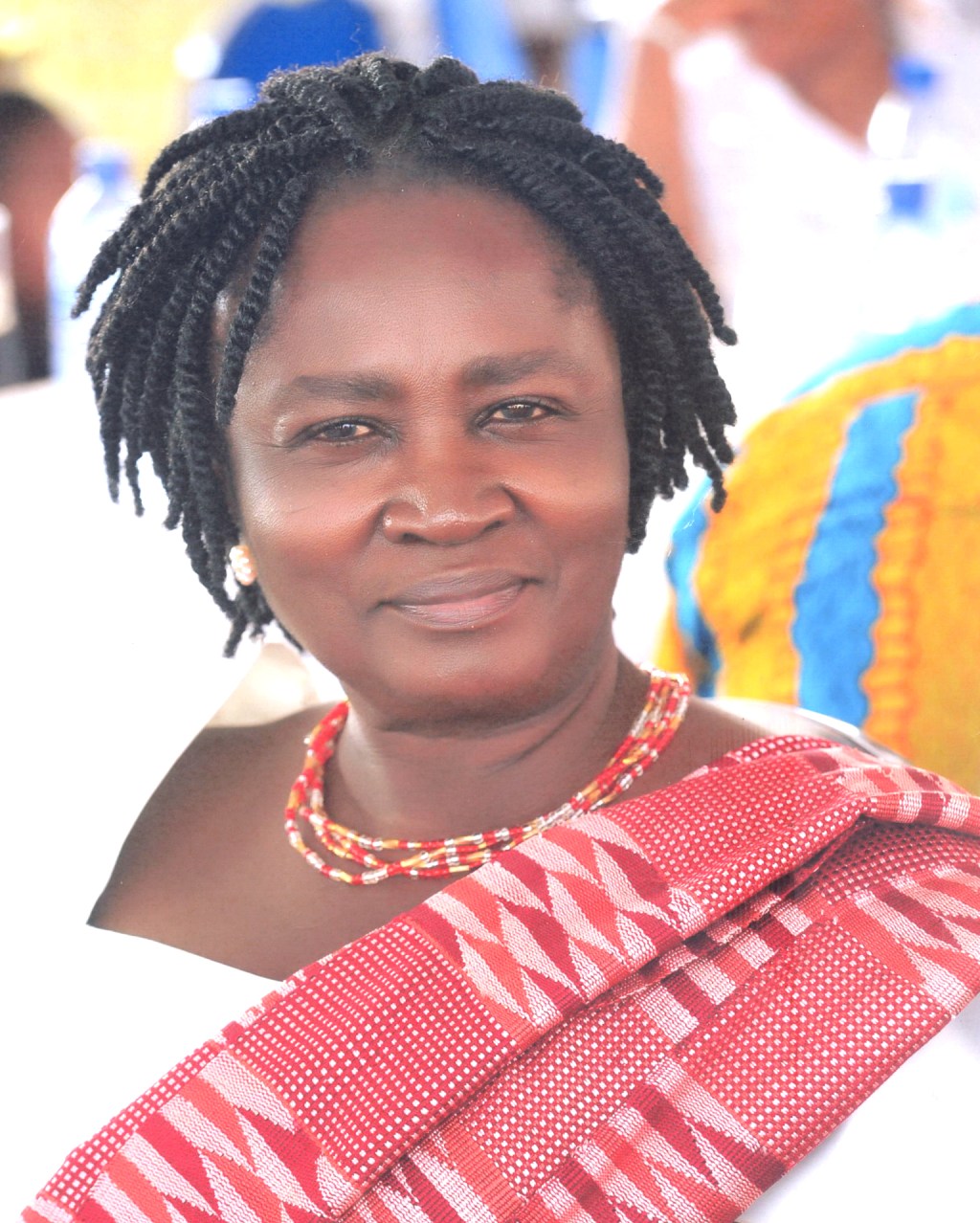
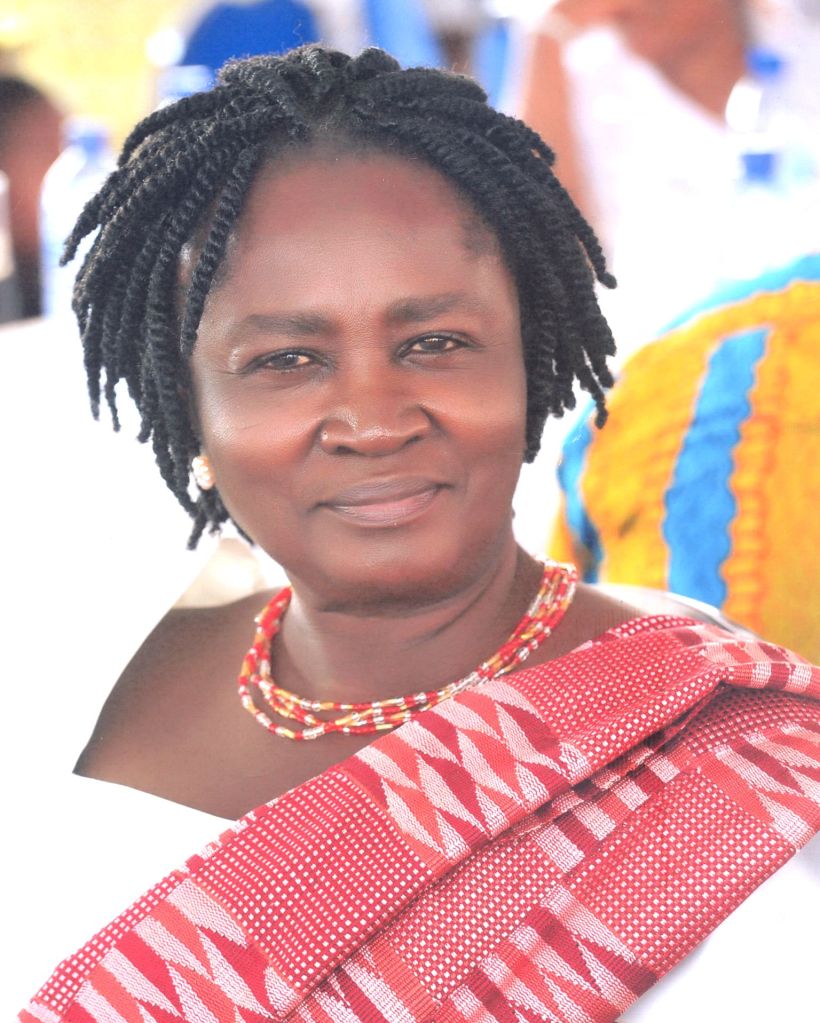
While it made headlines for electing Prof. Naana Jane Opoku-Agyemang as its first female vice president—a monumental achievement—the parliamentary elections painted a less inspiring picture. Out of 276 seats, only 40 were held by women in the outgoing parliament. Early reports suggest that the new parliament may have between 40 and 44 women, a marginal change at best. Even worse, several high-profile women parliamentarians lost their seats, highlighting the persistence of structural barriers to female political participation.
The numbers underscore a deeper issue: systemic gender inequality.
Advocacy organizations in Ghana and globally point to a lack of political will to enforce gender equality. Despite international frameworks and national policies promoting women’s political inclusion, progress has been slow, with countries relying more on tokenism than transformative action. Ghana’s women’s advocacy groups, however, are pushing back harder than ever. They are calling for enforceable gender quotas and rigorous accountability mechanisms to ensure female representation is more than just a symbolic gesture.
This isn’t just Ghana’s struggle—it’s a global phenomenon. The Inter-Parliamentary Union (IPU), which tracks election data, has long championed gender equality in governance. However, 2024’s data paints a bleak picture: 27 new parliaments have fewer women than their predecessors. This decline comes at a time when gender equality is being championed as essential for sustainable development. The question, then, isn’t just why progress has stalled, but how societies can overcome entrenched patriarchal systems to make room for more women at decision-making tables.
In Ghana, the battle for equality is intensifying. Women’s advocacy groups in Ghana are evolving from passive demands to proactive actionable strategies. Leaders in these movements are professionals with a deep understanding of political dynamics, and they are unafraid to challenge the status quo. From pushing for enforceable quotas to lobbying for more inclusive policies, these organizations are energizing the fight for gender parity. They know that promises aren’t enough—what’s needed are bold, measurable actions.
So, what does the future hold? The election of Prof. Naana Jane Opoku-Agyemang proves that progress is possible, but Ghana’s road to gender equality remains long. Women’s groups are signaling that they are ready to lead this charge with renewed vigor. The question now is whether Ghanaian society—and indeed the world—is ready. If 2024 taught us anything, it’s that progress isn’t guaranteed, but with the right strategies and collective will, the fight for equality can still be won.



 VisionAfricaMedia
Leave a comment