By Kofi Quaye
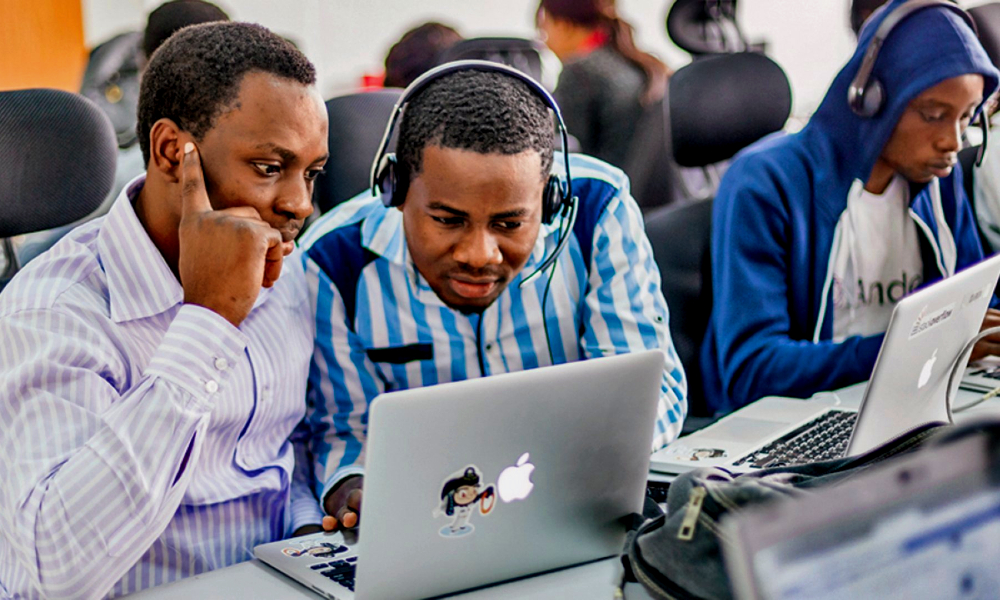
In the bustling tech hubs of Lagos, Nairobi, Accra, and Cape Town, a quiet revolution is happening —led not by foreign investors or multinational corporations, but by a new generation of African entrepreneurs determined to reimagine the continent’s future. These trailblazers are not just building businesses; they are engineering solutions for some of Africa’s most pressing challenges—from energy and education to agriculture and climate change. In doing so, they are proving that Africa is not just a frontier for development aid but a fertile ground for innovation, resilience, and sustainability.
Changing narrative about Africa
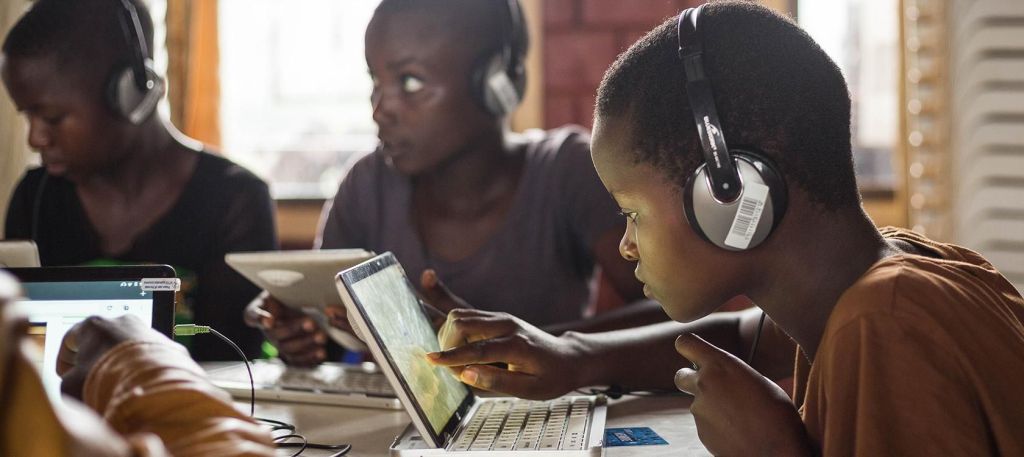
Historically, Africa has been portrayed as a continent in need of saving rather than supporting. Colonial extraction economies, post-independence political instability, and the structural adjustment policies of the 1980s crippled many local industries and left economies vulnerable. For decades, the narrative focused on poverty, disease, and underdevelopment. But fast forward to 2025, and a new picture is emerging: one of mobile-first tech ecosystems, women-led agritech startups, green energy ventures, and pan-African digital commerce platforms—all driven by Africans.

Africa has the highest entrepreneurship rate in the world today
According to a 2024 report by the African Development Bank, over 22% of Africa’s working-age population is now starting or running new businesses—the highest entrepreneurship rate in the world. However, what’s remarkable is the shift from survivalist enterprises to purpose-driven, tech-enabled, scalable ventures. Think Paystack in Nigeria revolutionizing fintech before being acquired by Stripe, or Kenya’s M-KOPA providing affordable solar energy to over 5 million people. Across the continent, hubs like iHub (Kenya), MEST (Ghana), and Co-Creation Hub (Nigeria) are nurturing talent and incubating ideas that marry local knowledge with global technology.

African businesses bring change and progress
But this isn’t just about mobile apps or coding bootcamps. African entrepreneurs are going deeper—confronting environmental degradation, waste mismanagement, and food insecurity. In Rwanda, a youth-led enterprise is turning plastic waste into building bricks. In Ethiopia, innovators are transforming discarded coffee husks into biofuel. In Ghana, a fashion startup is producing eco-friendly fabrics using traditional dyeing techniques and recycled materials. These businesses are guided by a new ethos: profit with purpose. They’re not only chasing revenue, but embedding sustainability into their models, aligning with the UN’s Sustainable Development Goals.
African banks, governments, NGO’S actively involved
Funding remains a hurdle, however. Despite an explosion of ideas and talent, African startups still receive less than 2% of global venture capital funding. Worse, much of that funding goes to companies led by expatriates or based outside the continent. Yet local entrepreneurs are adapting. Crowdfunding platforms, diaspora-backed investments, and community savings cooperatives are filling the gaps. And there’s a growing call for “African money for African innovation”—a movement that urges local banks, governments, and high-net-worth individuals to bet on homegrown startups.
African businesses focus on sustainability
The narrative is shifting, and rightly so. Africa’s new wave of entrepreneurs are not waiting for the world to save them—they are busy saving themselves and their communities, one startup at a time. From the crowded markets of Kumasi to the co-working spaces of Kigali, a new generation is rising, armed with laptops, local wisdom, and an unshakable belief that sustainability is not just a trend—it is Africa’s future. This is more than a moment; it’s a movement. And it’s only just beginning.






 VisionAfricaMedia