
By Kofi Quaye | Vision Africana Feature | May 28, 2025
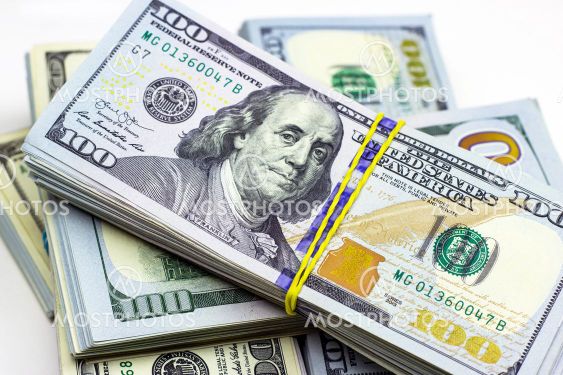
Accra – Something strange and wild is happening in Ghana’s money market – and everybody’s got an opinion. In just the past two months, the Ghanaian cedi has gone from 15.2 to the dollar down to 9.8, a staggering surge in strength that has stunned economists, infuriated importers, and delighted a quietly growing group of local producers and nationalists. On the streets, in salons, on Twitter and at the Makola Market, it’s the same question: What the heck is going on with the dollar?
The answer? Depends on who you ask. Some say it’s just luck – the kind only Ghanaian politics can produce. Others say it’s simply long-overdue fiscal discipline. Government officials from the new NDC administration are quick to claim credit, pointing to aggressive monetary tightening, crackdowns on forex black markets, and new policies mandating dollar earners to repatriate their foreign currency through official channels. “We brought stability, plain and simple,” said Kwame Boadu, Deputy Minister of Finance. “This is not a fluke. It’s strategy.”
But not everyone’s buying the narrative. “Let’s be real,” says Ama Owusu, a fashion exporter in East Legon. “This is artificial and unsustainable. The real economy hasn’t changed. Inputs are still expensive. Power is still unreliable. And now the strong cedi is making my dollar earnings worth less. How is that progress?” She’s not alone. Exporters, diaspora remittance receivers, and dollar-savers are watching their purchasing power shrivel – and they’re not thrilled. Some have even begun hoarding commodities as a hedge.
Meanwhile, Ghana’s obsession with the dollar has deep roots. Ever since the 1980s structural adjustment programs, the dollar became king – the currency of status, security, and big business. From paying rent and school fees to setting prices for cocoa and gold exports, the dollar ruled. “It was a survival strategy,” says economic historian Dr. Yaa Adjei. “People trusted the dollar more than their own government’s currency. It’s sad, but not irrational, given Ghana’s inflation history.”
So why is it suddenly different now? Economists point to a mix of real reforms and political timing. The NDC came to power on a wave of public anger over the NPP’s failure to manage debt, IMF negotiations, and inflation. Within six months, they’ve trimmed government spending, shut down speculative currency trading, tightened foreign exchange access, and pushed aggressive domestic bond repurchases. Some say it’s smart economics. Others say it’s smoke and mirrors, timed to restore confidence before elections. “The numbers are real, but the sustainability is in question,” said economist Selorm Kumi of the Ghana Center for Fiscal Studies.
Oddly enough, the cedi’s rise has split the business community. Importers are thrilled. “This is Christmas come early,” beams Kofi Addo, a tech dealer in Osu. “My last container from China was 30% cheaper in dollar terms. I hope this trend continues forever.” But others, like currency traders and real estate developers who price properties in dollars, are panicking. Some high-end landlords have quietly converted contracts back to cedis. “It’s chaos in disguise,” says real estate agent Linda Nartey. “No one knows what to quote anymore.”
At the heart of the frenzy lies a deeper irony: for decades, Ghanaians have celebrated anything foreign – from clothes and cars to degrees and currency. The dollar wasn’t just money; it was validation. Now, with the cedi’s rise, a cultural reckoning is underway. “If this holds, it could be a psychological shift as well as an economic one,” says Prof. George Ankomah, a political economist at the University of Ghana. “It’s not just about forex. It’s about faith – in local governance, in the Bank of Ghana, in ourselves.”So, is the falling dollar in Ghana a fluke, a fix, or the first sign of financial rebirth? No one knows for sure. But one thing’s certain: for the first time in decades, people are talking about the cedi not as a joke, but as a force. And that, in itself, might just be the biggest shift of all





 VisionAfricaMedia