By Kofi Quaye, Editor and Publisher
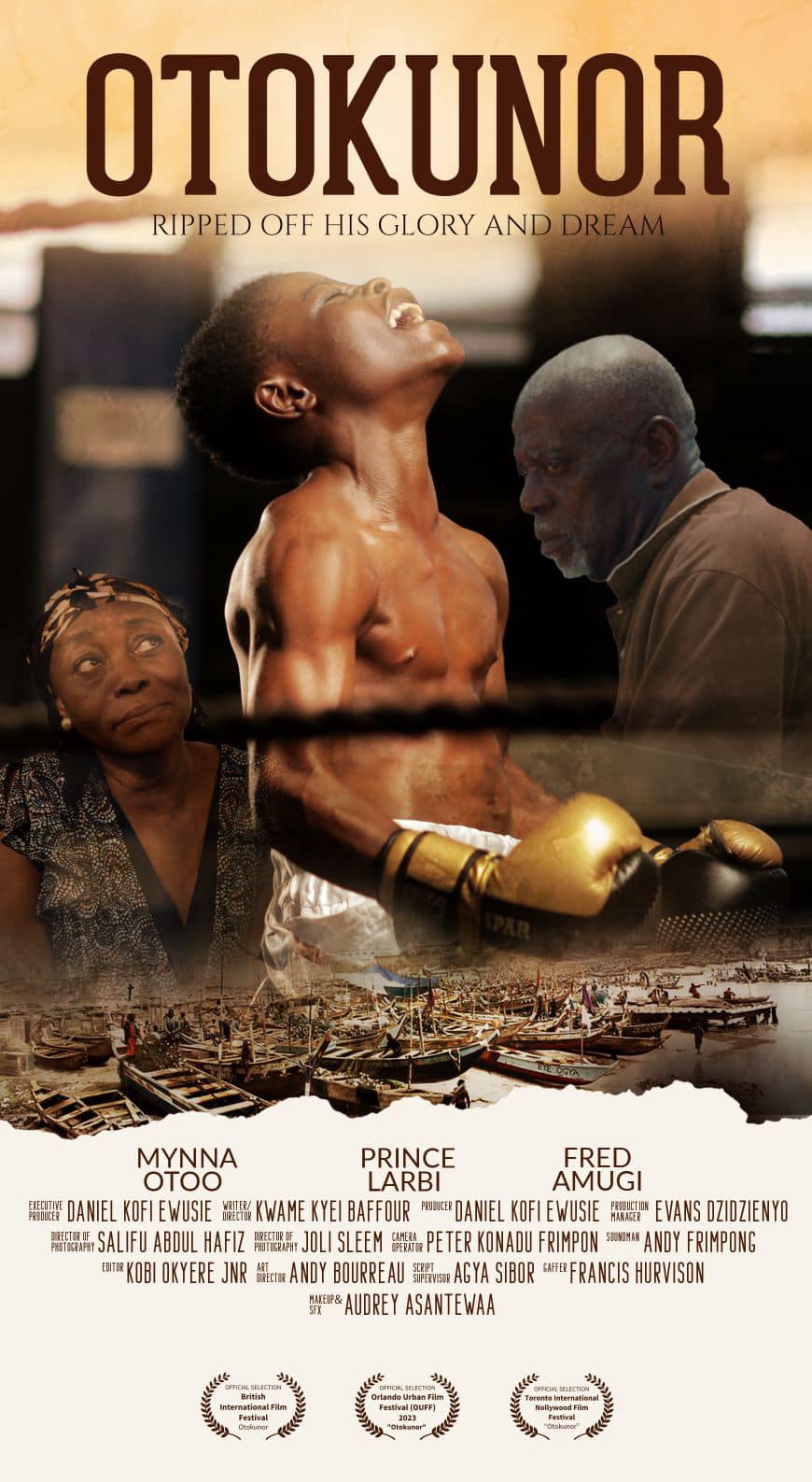
Ghanaian film producer, Daniel Kofi Ewusie, filed a lawsuit after a local TV station allegedly broadcast one of his movies without permission. Ewusie didn’t keep it quiet when he found out. He went public, called out the station in multiple social media posts and warned them about his intention to sue if they failed to do the right thing. When the warnings were ignored, he followed through on his promise: he sued the television station.

When They Air, You Don’t Get Paid
At its core, this is about survival for Ghana’s creative industry. Movie producers like Ewusie rely on licensing deals to recover the thousands — sometimes millions — of cedis they spend making a film. If a station airs the work without permission, the producer makes nothing. And when the money doesn’t come in, future projects don’t get made.
This isn’t mere hype. Across Africa, the losses are staggering. Nigeria’s Nollywood, the continent’s biggest film industry, reportedly loses over $1 billion annually to piracy. Ghana’s numbers aren’t officially tracked, but insiders describe the losses as “massive and demoralizing.”
A Widespread Problem
Ewusie’s case isn’t a rare one-off, isolated incident. Unauthorized use of copyrighted material is common across the creative sector, ranging from music played in clubs without royalty payments to movies uploaded to YouTube by anonymous accounts to live performances recorded and shared without consent. The underlying issue is the same: content is being treated as free, when it’s not.
The Political Spotlight
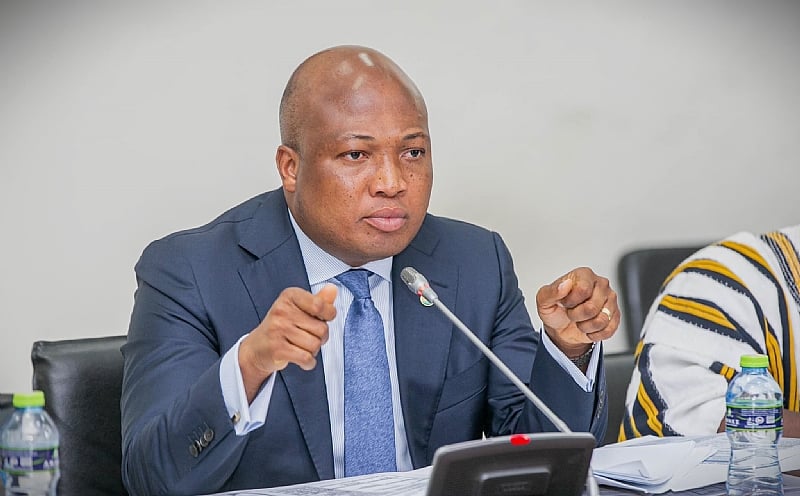
What makes Ewusie’s case different is the timing. Ghana’s new NDC government has been talking tough about protecting creatives. In one of his viral videos, Ewusie appealed directly to Minister for Communication, Hon. Sam George, a personal friend, and asked him to step in. That call, combined with rising public attention, may now be seen as a test of the government’s commitment to enforcement.
The Stakes for Africa’s Creative Boom
Africa’s film, music, and digital art industries are exploding globally. Netflix is investing heavily in African stories. Afrobeats is dominating playlists from New York to London. Ghana’s film industry is gaining international recognition. But without stronger copyright enforcement, this momentum is fragile. If creatives can’t earn from their work, investors will hesitate, and the industry could suffer.
More Than One Man’s Fight
Ewusie’s lawsuit is about more than one stolen movie. It’s about whether Ghana is ready to protect its creative future. The case has sent a clear message to both the industry and the government: the era of silent acceptance may be ending. For Ghana’s creatives, the hope is that this will be the moment when “lights, camera” is finally followed by “protection.”



 VisionAfricaMedia