
By Kofi Quaye
The call for reparations—compensation for centuries of transatlantic slavery and colonial exploitation—has echoed across generations, from the abolitionist era of the 19th century to the ongoing debates of the 21st. It is not a fringe idea, nor a parochial demand limited to African Americans. Rather, it is a global question of justice, history, and unfinished business that binds Africa, the diaspora, and the Western nations whose rise to power was built on enslaved African labor.
European nations and United States of America responsible for kidnapping, enslaving and exploiting millions of Africans for centuries
Between the 16th and 19th centuries, historians estimate that more than 12.5 million Africans were forcibly transported across the Atlantic. Of these, nearly 10.7 million survived the brutal Middle Passage to arrive in the Americas. Their labor—unpaid, coerced, and sustained over centuries—generated the wealth that underpinned the industrial revolutions of Britain, France, Spain, Portugal, and later the United States. By the mid-19th century, cotton produced by enslaved Africans in the American South accounted for more than half of U.S. exports, fueling the rise of Wall Street banks, insurance companies, and shipping firms that still exist today.
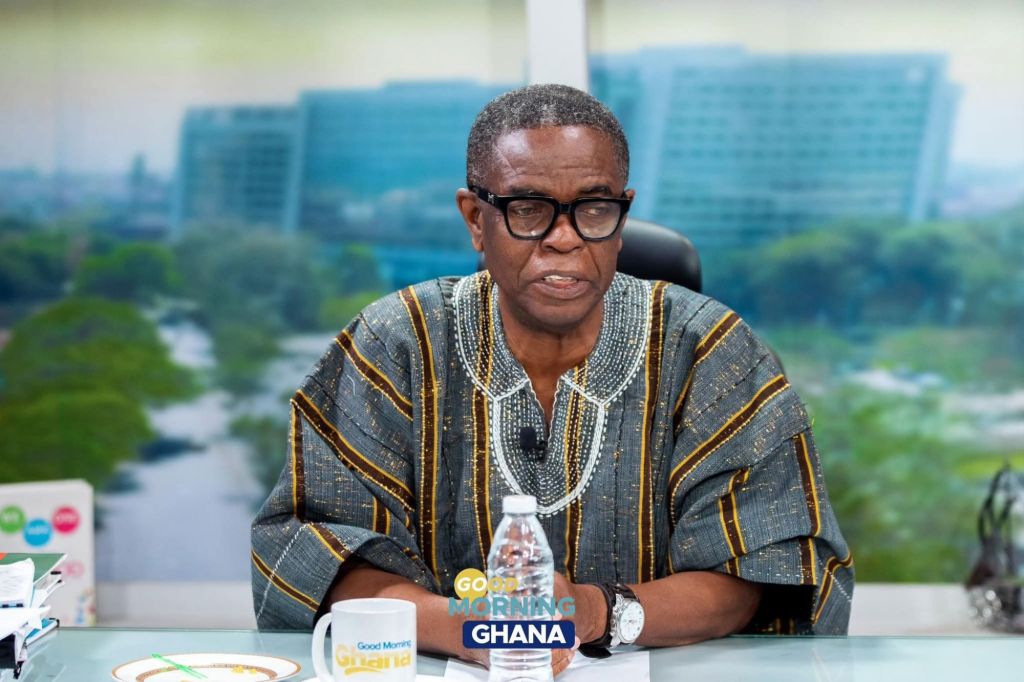
Demand for reparations not new nor limited to Black Americans
The demand for reparations is therefore not new. Marcus Garvey, the Jamaican-born Pan-Africanist, raised the issue in the early 20th century. W.E.B. Du Bois, writing in the 1930s, described the wealth accumulated through slavery as a “stolen heritage.” Ghana’s first president, Dr. Kwame Nkrumah, spoke passionately about the debt owed to Africa, both for the millions taken and for the resources plundered under colonial rule. From the Durban World Conference against Racism in 2001—where reparations were placed squarely on the international agenda—to the present-day hearings of the U.S. Congress on H.R.40, the idea has persisted, gathering momentum with every generation.
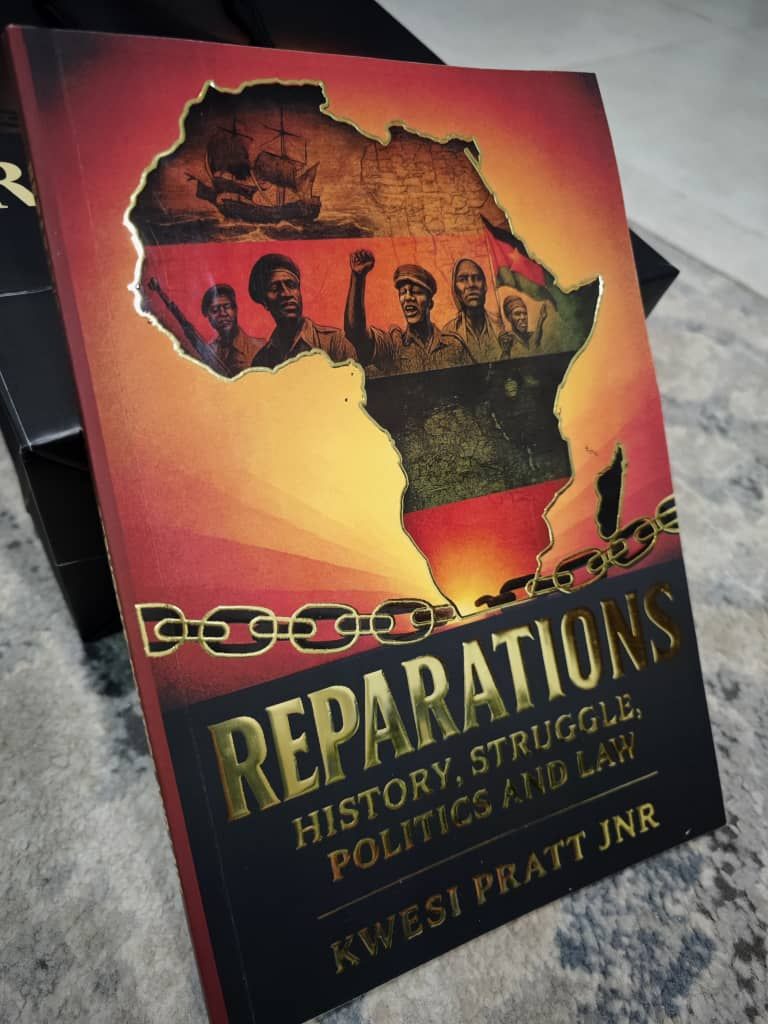
Ghanaian journalist Kwesi Pratt’s book offers an African perspective on reparations issue
Ghanaian journalist, Kwesi Pratt, Jr, with his recently released book titled Reparations: History, Struggle, Politics and Law, enters this long-running conversation with an important intervention: an African perspective that asserts Africa itself has always been central to the question of reparations. Too often, the debate has been framed as primarily an African American struggle. Yet the continent lost millions of its people. Entire communities were depopulated, and the long shadow of slavery was compounded by colonial exploitation that extracted Africa’s gold, cocoa, diamonds, oil, and other resources—profits that fueled European empires while leaving African economies underdeveloped.
Pratt’s book on reparations places Ghana and Africans on frontline of fight for reparations
For Africans who have lived and worked in the United States, there is an acute awareness of the gap in perception. Many African Americans believe Africans are indifferent or detached from the reparations movement. Pratt’s work certainly challenges that narrative, showing instead that Africa and its diaspora are inseparably bound in this struggle. His book positions Ghana—already symbolic as the departure point for many enslaved Africans and the first sub-Saharan African nation to gain independence—as a frontline state in the campaign for reparative justice.
Apologies from European nations are not enough. America is main culprit and must pay
The timing is striking. In recent years, institutions in Europe have begun acknowledging their role. In 2021, Germany formally recognized the genocide of the Herero and Nama people in Namibia (1904–1908), committing €1.1 billion in support. In 2023, Dutch Prime Minister Mark Rutte issued a formal apology for the Netherlands’ role in slavery. British and French institutions have returned looted African artifacts, signaling that the moral and political landscape is shifting.
African leadership is also reasserting itself. Ghana’s current president, John Dramani Mahama, and other African heads of state have spoken publicly about reparations as a legitimate demand. Their voices, combined with those of Caribbean nations through the CARICOM Reparations Commission, create a unified bloc that cannot be ignored.
Long and Heated Debate Will Continue
If Pratt’s book succeeds in one thing, it may be in reframing the issue: reparations are not solely about African Americans demanding payment from America. They are about a transcontinental reckoning—a recognition that slavery and colonialism created a system of wealth and poverty that still defines global inequality today. The debate will be heated, as it always has been. Many in the African diasporan communities in America, Europe and the Caribbean don’t think Africans really understand what reparations are all about and don’t hesitate to say so. “The Africans should shut the f… up,” said Ras Lawrence Davis, a New York State diasporan. As far as he is concerned, Africans aren’t ready or adequately prepared to make a significant impact in the fight for reparations.
But one thing is clear: reparations are no longer a marginal demand. They are part of an international conversation about justice, equity, and history. Whether or not the world is ready to act, Africa and its diaspora are signaling that the time for ignoring this unfinished business has passed.


 VisionAfricaMedia