By Kofi Quaye
African fashion is no longer confined to cultural celebrations or heritage events. It is now a force on the global style stage. Designs from Nigeria and Ghana, in particular, are redefining what modern fashion can look like, weaving centuries-old traditions into contemporary trends that resonate across continents. Industry forecasts suggest that the African fashion sector could be worth $15.5 billion by 2030, with West African nations leading the way.

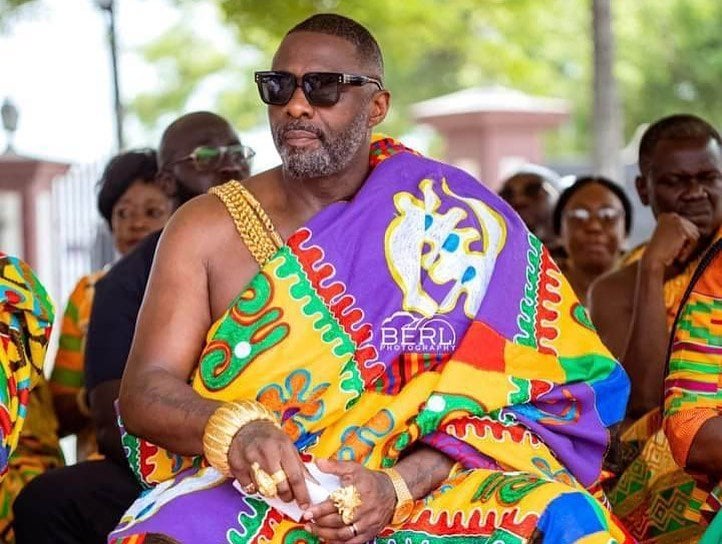
At the center of this momentum are iconic fabrics and designs that tell a story. Nigeria’s bold Ankara prints and flowing agbadas have captured international attention, while Ghana’s handwoven kente cloth—once reserved for royalty—has become a global symbol of cultural pride, frequently seen at graduations, galas, and even on Hollywood red carpets. What was once considered niche has now become a vibrant and influential part of mainstream fashion.
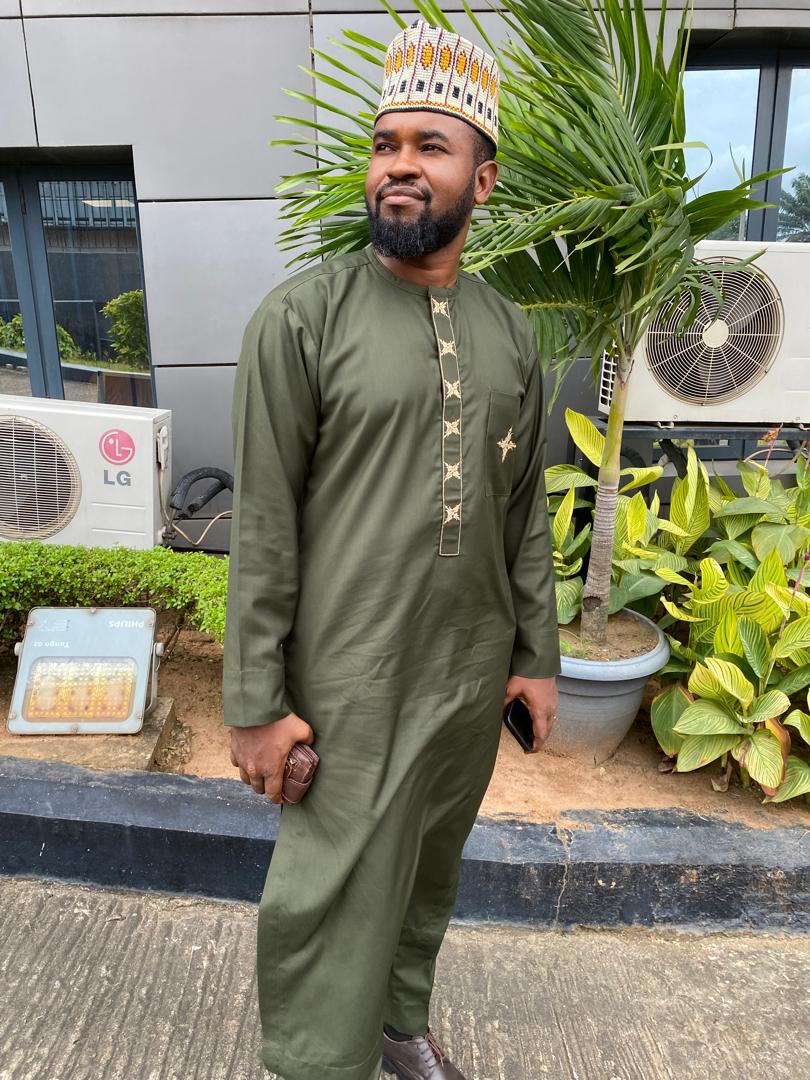
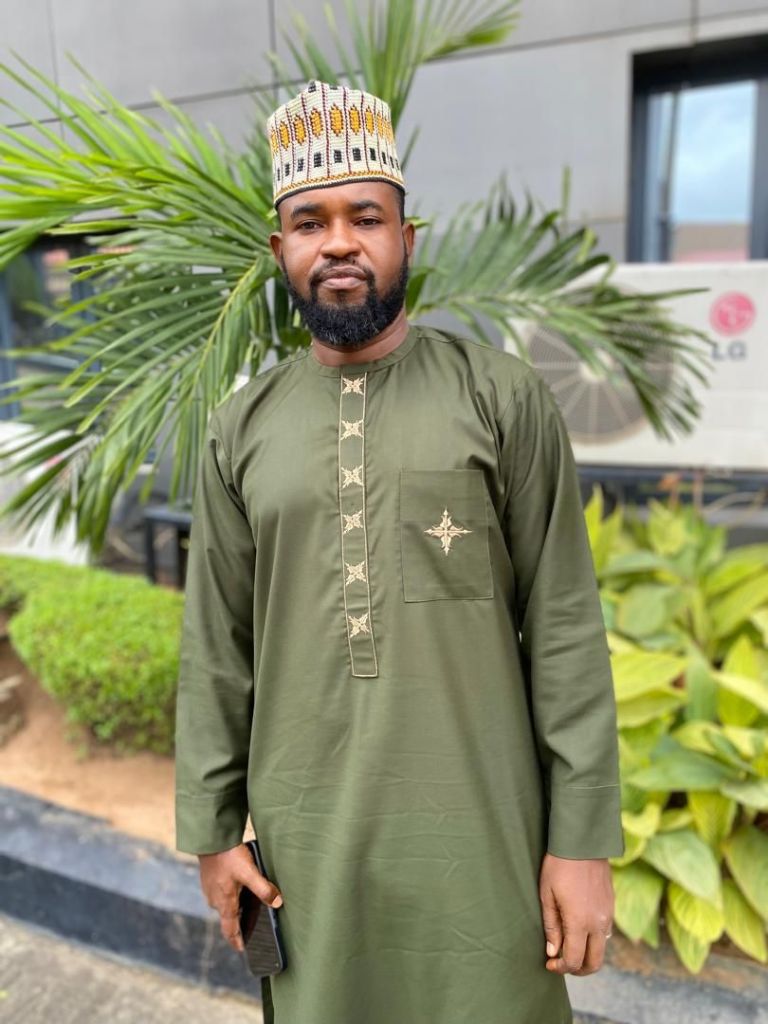
Beyond the established names such as Lisa Folawiyo and Ozwald Boateng, a new generation of designers is emerging to carry African fashion forward. Among them is Silas Sealmikky, the creative force behind Sealmikky Collections. The young Nigerian designer has quickly built a reputation for his ability to bridge cultures. His designs, often featured on social media platforms, showcase Black Americans—many resembling professional actors and models—proudly wearing his creations. The aesthetic is both Afrocentric and contemporary, a balance that resonates strongly in the United States.

Sealmikky has been especially successful in cultivating a loyal following within the Black American community, including the film and entertainment industry. His customer base now spans multiple U.S. states, from Georgia to California. “African fashion should feel both accessible and powerful,” he says. “It is more than just clothing—it is a statement of identity.” His vision underscores a growing desire among diaspora communities to express cultural heritage through what they wear.
The impact of this movement goes well beyond the runway. African fashion is creating economic opportunities across the continent by supporting local artisans, weavers, and designers, while also giving diaspora communities new ways to connect with their roots. Social media platforms have become the amplifier, ensuring that styles conceived in Lagos or Accra can appear in New York or Los Angeles within days. This fusion of technology and tradition is helping African designers expand their influence at an unprecedented pace.

What makes African fashion powerful is not simply its visual appeal, but its deeper meaning. From Ghanaian kente stoles worn proudly at HBCU graduations to Nigerian agbadas seen on streaming platforms, these garments symbolize resilience, heritage, and pride. For designers like Silas Sealmikky, the journey has only begun. As he and other creatives push African fashion further into the global spotlight, the future is clear: African fashion trends play a huge role on the global landscape.




 VisionAfricaMedia