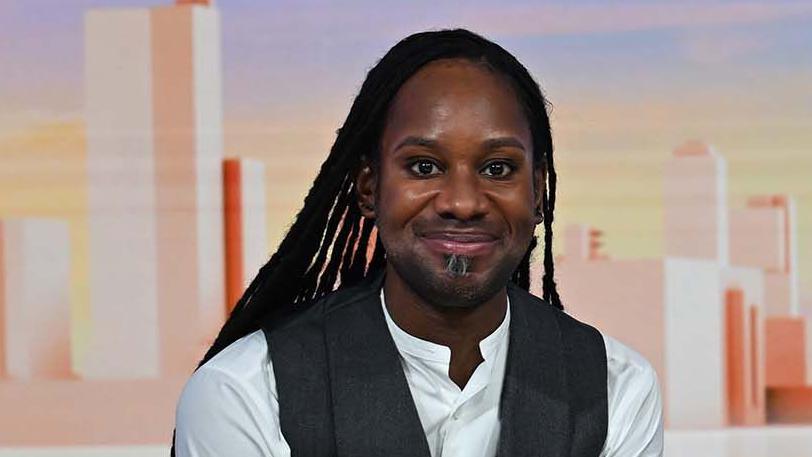
A REMARKABLE LIFE ENDS AT 41
By Kofi Quaye
New York- Jason Arday was only 41 when he died. Just three years earlier, at 37, the British academic of Ghanaian parentage had made history as the youngest Black person ever appointed to a professorship at the University of Cambridge.
His rise was remarkable. Cambridge said when announcing his appointment that Arday had been unable to read or write until his late teens before building an academic career focused on race, inequality and education. Now his sudden death, following intense controversy over allegations involving his academic work and personal story, is raising uncomfortable questions about race, public scrutiny and the pressures placed on Black professionals who break barriers at elite institutions. Police have said his death was unexpected but is not being treated as suspicious.
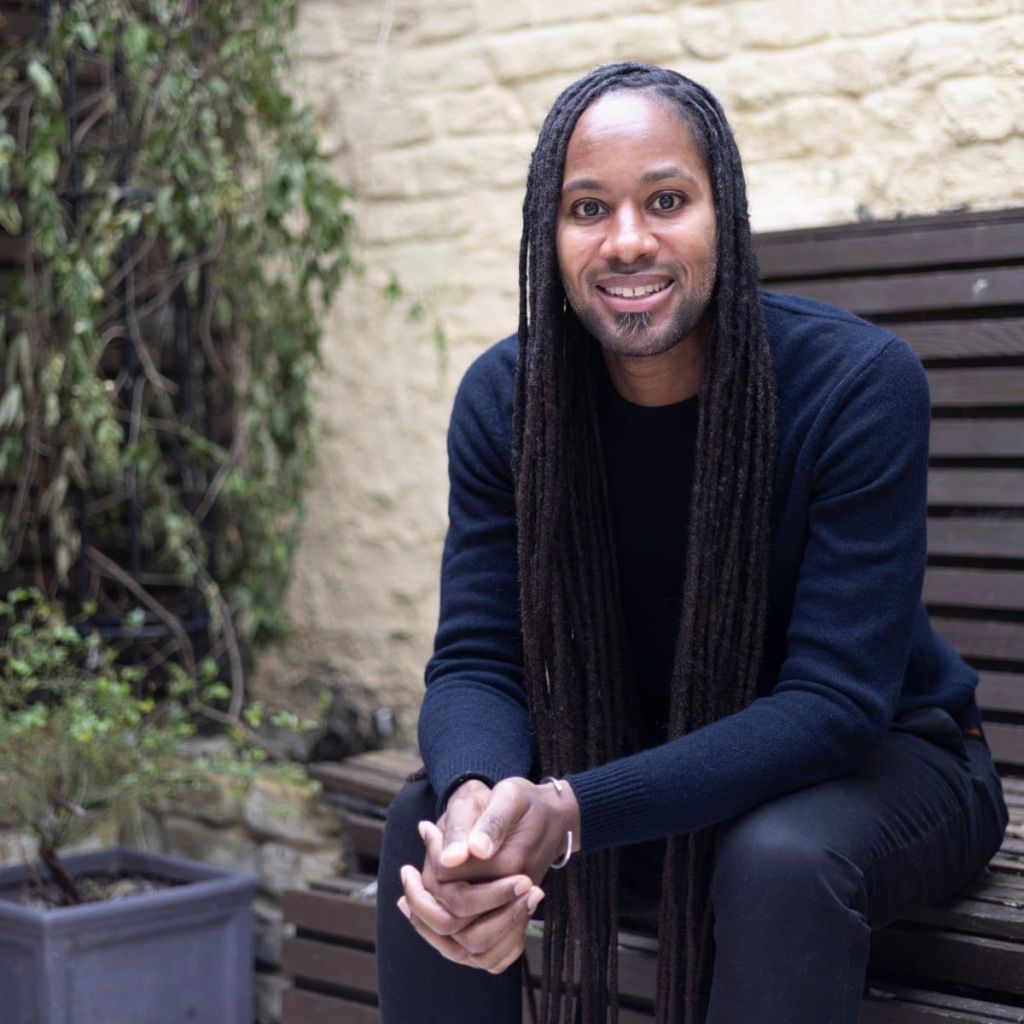
WHY WAS HIS APPOINTMENT STILL HISTORY?
There is another question worth asking. Why, in 2023, was the appointment of a 37 year old Black professor at one of the world’s greatest universities still historic? America provides an imperfect but useful comparison. Black professors, university presidents, physicians, lawyers, scientists, writers and public intellectuals have become highly visible across American public life, even while racial disparities remain substantial. Some have built national profiles through television, books, newspapers, universities and public debate about race. Britain has produced distinguished Black scholars too. But Cambridge’s celebration of Arday as its youngest Black professor revealed how slowly representation had changed inside one of Britain’s oldest and most powerful institutions. Arday himself said he wanted to use the position to bring more people from underrepresented backgrounds into higher education.
RACE, SCRUTINY AND QUESTIONS THAT CANNOT BE IGNORED
Arday’s final weeks were difficult and controversial. He resigned from Cambridge as the university investigated allegations of plagiarism and questions about aspects of his record. He denied plagiarism, while acknowledging errors in his doctoral work. Those allegations deserve legitimate examination. But so does the manner in which any individual is subjected to public judgment. Arday had also reported receiving racist abuse and threats. His family says he endured years of abuse, harassment and misinformation, while some friends and supporters have described what happened to him as a racist campaign. Cambridge says it provided mental health and security support. The facts therefore demand caution. Racism should not be declared the cause of his death without evidence, but neither should the racial dimension of his experience simply be dismissed.

BEHIND THE BRITISH STORY WAS A GHANAIAN FAMILY
For Africans, there is another dimension. Arday was born and raised in South London, but his parents were Ghanaian. His mother, Gifty, worked as a mental health nurse and his father, Joseph, as a chef. His story therefore belongs partly to the larger history of African immigrant families whose children have entered institutions their parents could scarcely have imagined entering generations earlier. It also raises an old African question in a new form. Africa has spent decades losing doctors, professors, scientists, engineers and other highly trained professionals to Europe and North America. They leave because the universities, salaries, laboratories, research funding and professional opportunities are often better. But what happens when professional opportunity abroad comes with other pressures, including questions of belonging, identity and race?
COULD AFRICA BECOME AN ALTERNATIVE?
It would be too simple to say Black professionals should leave Britain or America and move to Africa. African universities have their own serious problems, including inadequate research funding, political interference, weak infrastructure and salaries that often cannot compete internationally. Racism is also not the only form of discrimination professionals encounter. But Arday’s story should encourage Africa to think differently about its diaspora. Ghana, Nigeria, Kenya, South Africa and other countries should be competing aggressively for African-descended professors, researchers, physicians, entrepreneurs and technology specialists. Governments and universities could create visiting chairs, diaspora professorships, research grants and joint appointments that allow talented people to work across continents. Brain drain does not have to remain a one-way street.
THE BIGGER QUESTION AFTER JASON ARDAY
Jason Arday’s death should not become ammunition for one side of a culture war. There were serious allegations concerning his work, and those questions should be reported fairly. There were also documented concerns about racist abuse and the extraordinary pressure surrounding him. Both realities can be examined at the same time. The larger question is what happens to Black achievement after the applause ends. Who supports the person who becomes “the first” or “the youngest”? Who protects rigorous academic standards without turning investigation into public destruction? And what role should Africa play in creating institutions strong enough to attract some of the extraordinary talent its diaspora has produced? Jason Arday’s journey from a Ghanaian immigrant family in London to a historic Cambridge professorship was extraordinary. His death at 41 makes the questions surrounding that journey impossible to ignore.


 VisionAfricaMedia
Leave a comment