Ghana’s democratic experience strengthens its international standing. Its lasting value depends on accountable leadership and opportunities for citizens.
By Kofi Quaye | Vision Africana
Ghana in the World • Part Two
When Ghanaians change governments through the ballot box, the significance extends beyond the country’s borders. Each peaceful transfer reinforces confidence that political competition can operate within constitutional rules. For citizens, businesses and the diaspora, that continuity provides a foundation for planning the future. Ghana’s democratic reputation is therefore a national asset. Protecting it requires more than successful elections.
The Experience of Political Choice
Since 1992, Ghana has held competitive multiparty elections and experienced peaceful transfers between the National Democratic Congress and the New Patriotic Party. That experience gives voters a meaningful opportunity to replace leaders. It also establishes an expectation that government authority is temporary and subject to public judgment. Political sophistication shows itself in how institutions handle disagreement, how leaders respond to criticism and how citizens exercise their rights between elections.
Mahama’s Responsibility

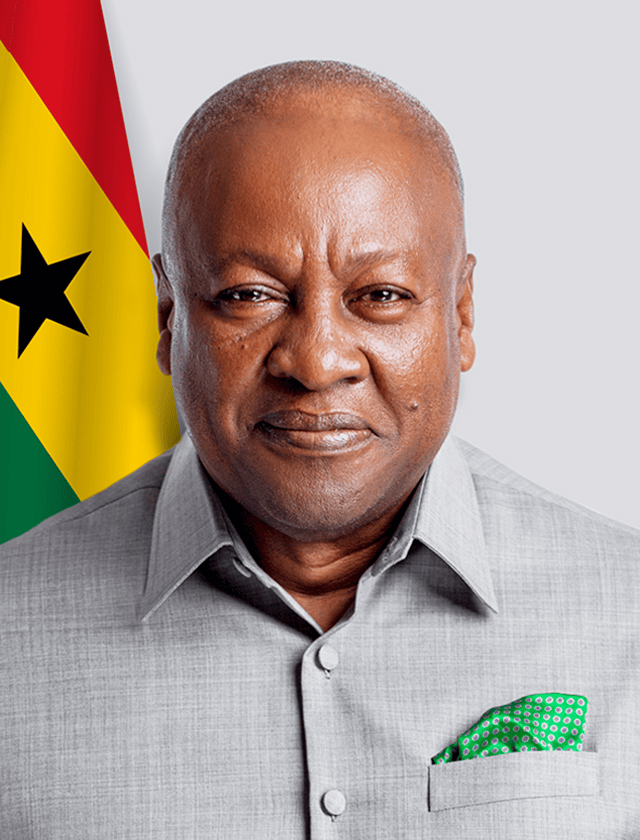
President John Dramani Mahama has presented democracy as an economic asset that supports confidence and predictability. He made that argument during his June address at Chatham House in London. His administration inherits a democratic tradition built through the contributions of successive governments, public institutions, journalists and citizens. Its responsibility is to strengthen that foundation through transparent decisions, respect for independent institutions and fair treatment of political opponents.
Why Business Pays Attention
Investment involves decisions about the future. Businesses need confidence that contracts will be respected, disputes handled fairly and regulations applied consistently. Political continuity can support that confidence. However, stability alone cannot overcome expensive credit, unreliable services or administrative delays. Ghana gains more from its democratic reputation when public institutions make everyday business predictable and accessible to local entrepreneurs as well as foreign investors.
The Diaspora Connection
For Ghanaians abroad, political conditions can influence decisions about returning, buying property or establishing an enterprise. The same considerations matter to African American and Caribbean people seeking a lasting connection with Ghana. A welcoming message creates interest. Confidence grows when land transactions are secure, public procedures are clear and people can obtain fair remedies when problems arise. The return movement becomes more sustainable when belonging is supported by dependable institutions.
Accountability Builds Credibility
Independent assessments recognize Ghana’s achievements while identifying unfinished work. Freedom House classifies Ghana as free in its 2026 report, but highlights concerns involving corruption, judicial independence, discrimination and public service delivery. CDD-Ghana’s first-year assessment of the Mahama administration similarly called for deeper institutional reforms, while acknowledging steps including a code of conduct for appointees and constitutional review efforts. Addressing these concerns strengthens the credibility Ghana brings to international affairs.
Citizens Must Feel the Value
Democratic confidence also depends on whether people believe their voices matter and their prospects can improve. Young people seeking work, traders facing rising expenses and families struggling with public services judge the government through daily experience. Journalists, civil society organizations and an effective parliamentary opposition help keep those experiences within public debate. Their scrutiny is part of maintaining an accountable government.
A Reputation Worth Protecting
Ghana’s democratic record gives it a valuable basis for regional engagement, investment and diaspora partnership. Mahama’s contribution will be measured by how effectively his administration protects rights, strengthens institutions and responds to citizens. The country’s international standing becomes more durable when the confidence it inspires abroad is matched by confidence in government at home.




Leave a Reply